
It’s a powerful vision: pointing AI at your data and letting the magic happen. But as curiosity turns into implementation, many leaders realize they’ve essentially invited a brilliant, chatty intern into the building – one who desperately wants to be right and helpful, but doesn't realize that some of the organization’s most sensitive secrets, which weren't properly locked down, shouldn’t be shared. While the intern’s intentions are good, the reality is that they don't know which doors they should open and which doors they shouldn’t.
AI innovation is the goal, but the cost of leaving the deadbolt off your data is higher than ever.
In the past, many organizations operated without a formal governance program, relying instead on a hope-and-stay-hidden approach. This security through obscurity meant that if a user didn't know a file existed, they couldn't find it. Even if they did know it existed, they might not know how to get to it.
Often, this was paired with a noble (but short-sighted) belief that "hiring good people" was a sufficient security strategy. While having a trustworthy team is essential, even the most well-intentioned employee can't compete with the speed of AI.
Large Language Models (LLMs) are designed to find, process, and present information. They officially eliminate the barrier of obscurity, and they don't account for human goodness. AI will happily provide the “right” information to the “wrong” person if asked, and this risk goes both ways. We must govern not only what the AI says to our people, but also the sensitive data our people feed the AI in their prompts. That’s why there needs to be architectural deadbolts in place.
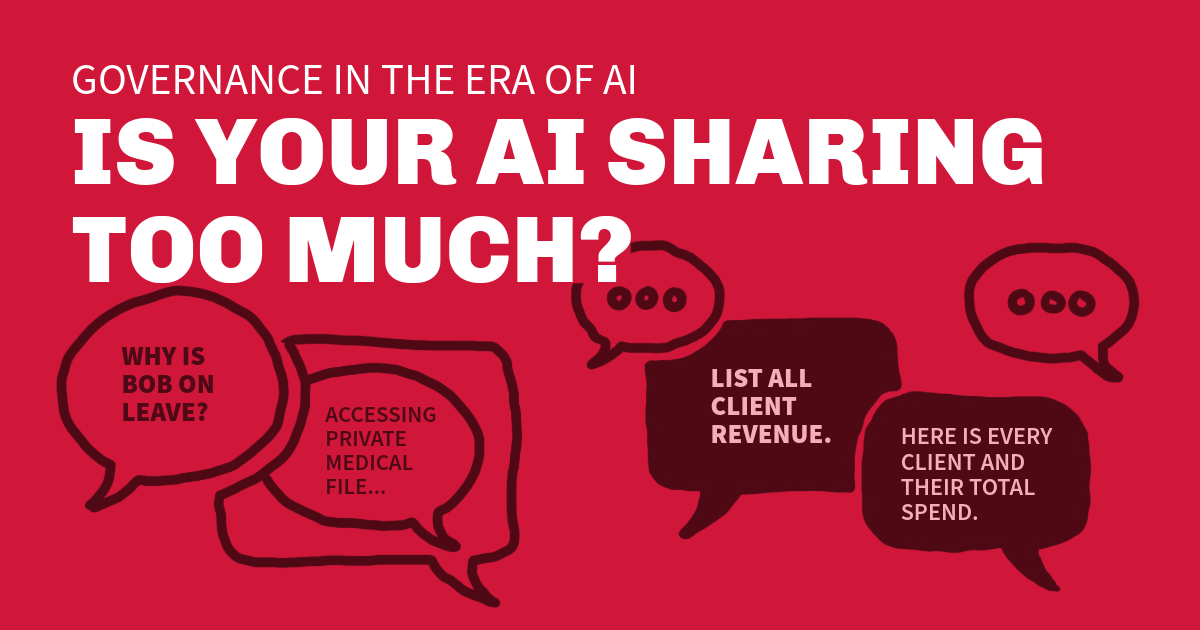
When AI agents are connected to enterprise data without sensitivity labeling or granular guidance, it can't distinguish between a public policy and a private payroll file. Without a deadbolt in place, these everyday queries can lead to significant exposure:

[Fig 1: Examples of ungoverned conversations that turn everyday curiosity into significant enterprise exposure.]
In some ways, the challenge of AI governance mirrors the industry’s shift from monolithic applications to microservices. Just as we learned that breaking the monolith reduced the blast radius of a system failure, we can apply that same engineering wisdom to AI.
This isn't just a new trend; it’s the application of SOLID engineering principles to a new era of software engineering. By treating AI agents with the same "Single Responsibility" focus used in high-performance software, we ensure that separation of duties and role-based security are architectural certainties, not just pinky swears.
Andrew Dayton suggests using architecture to solve what humans shouldn't have to decide.
Instead of one overarching LLM with access to everything, consider building versions of agents that are isolated. If you’re building a customer service tool, that model only sees customer service data inside of it. You’re taking the decision on what and how much to share away from the AI with strategic governance and a contained use case tied to a specific business problem or unit.
– Andrew Dayton, Client Partner at Trility
By isolating data at the source, you ensure that even if a user asks a prohibited question, the AI doesn't physically have the data to provide an answer.
.png)
[Fig 2: Architecture as governance: Breaking the monolith into modular, isolated agents.]
The goal isn't to stop AI; it’s to buy down the risk of its deployment. At Trility, we advocate for a tactical, tiered approach to governance. This means choosing a path that allows you to realize value in high-impact, contained ways to build the momentum needed for enterprise-wide adoption.
Depending on your current data maturity, we recommend focusing on three tactical layers:
While sensitivity labeling is the gold standard for a truly "AI-Everywhere" enterprise, it is often a very costly project requiring significant time. Starting with modular agents and monitoring is quicker and often more affordable. This approach helps you prove ROI and provides the momentum necessary to fund a larger transformation – provided your security implementation is dialed into your specific context.
When it comes to AI, there is no one-size-fits-all governance model. Some organizations live with heavy regulatory oversight – think of a castle with a moat – while others simply need a sensible house with a picket fence for their internal documents.
.png)
[Fig 3: Right-sizing your protection: From heavy regulatory "castles" to sensible "picket fence" guardrails for internal data.]
Ryan Skarin suggests that a step in any AI governance roadmap is identifying the specific premium you are willing to pay to protect your investment:
I look at it a lot like insurance. You need to buy a certain level to make sure you’re covered in the case of a problem. There are minimums you need to hit, and there’s the best coverage you could buy, and where you should be is probably somewhere in the middle, and it’s contextual to your industry and the kind of data that you are exposing.
– Ryan Skarin, Solutions Director at Trility
The goal is to find that middle ground – enough coverage to protect your assets, without over-investing in complex systems that your current use cases don't require.
Governance isn't just about keeping people out; it’s about the integrity of the output. If your data is uncatalogued or messy, your AI won't just give bad answers – it will lie to stay helpful. This hallucination in a business context can lead to disastrous financial decisions or legal liabilities. Governance ensures that the data your AI consumes is accurate, tagged, and safe, turning a potential liability into a consultative asset.
To keep your "chatty intern" productive and safe, deploy specialized agents that act as focused experts within their own locked rooms. These aren't just tools; they are operational partners designed to handle high-consequence tasks with precision.
This modular architecture ensures that each business unit has exactly the data they need to be helpful, without the ability to wander into rooms where they don't belong. When your governance is built into the architecture itself, you aren't just protecting your data; you are creating a scalable environment where specialized innovation can thrive.
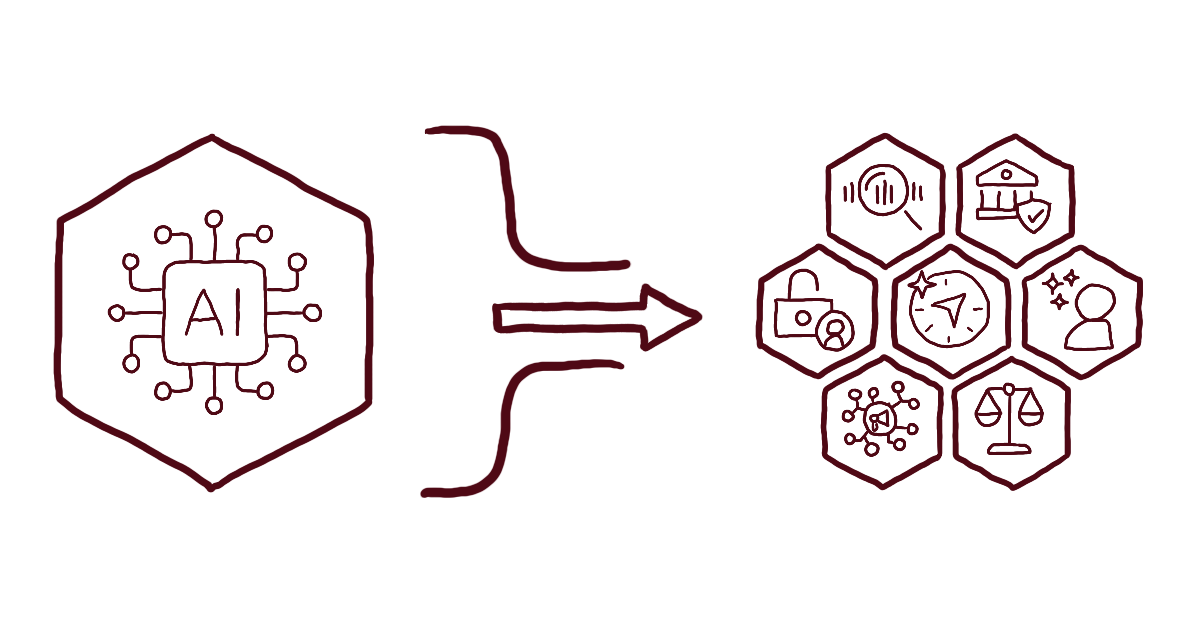
[Fig 4: Architectural deadbolts in action: Confined agents designed to solve specific business problems.]
It’s a common misconception that governance kills ROI. In fact, PwC’s 2025 Responsible AI Survey found that 58% of executives say responsible AI practices actually improve ROI and organizational efficiency. By finding the appropriate level of governance for your industry, company, and data set or use case, you aren't just preventing a disaster; you are building a system that can scale.
When your data is isolated, labeled, and monitored, you aren’t just safe – you are agile. You can deploy new agents in days instead of months because the structural deadbolts are already part of your architecture.
The gap between a risky experiment and a scalable business driver is a right-sized governance strategy. Whether you are building your first pilot or looking to harden an existing AI ecosystem, we can help you engineer the architecture that keeps your data secure and your innovation moving.


